Category Archives: Wealth Management

Safeguarding Your Legacy: Essential Estate Tax Strategies for Married Couples


For married couples who have built multimillion-dollar estates, the thought of substantial estate tax liabilities can be daunting. With current federal exemptions facing a dramatic reduction after 2025, the urgency to plan has never been greater. The good news? A sophisticated arsenal of planning tools exists to help you significantly minimize, or even eliminate, these taxes, ensuring more of your hard-earned wealth passes to your loved ones, not the taxman.


Market Recap & Outlook: Your Weekly Market Compass – August 8, 2025

financial advice being given


The financial world spent the week ending August 8, 2025, riding a new wave of optimism. Strong corporate earnings, a dovish shift from the Federal Reserve, and a resilient economy all contributed to a powerful rally. But as stocks push toward new all-time highs, are we heading for a pullback or a breakout? Here’s a breakdown of the key market-moving events and what to keep an eye on.

Market Recap & Outlook: Your Weekly Market Compass – August 1, 2025

financial advice being given


The week ending August 1, 2025, presented a classic tug-of-war for investors. Upbeat corporate earnings fueled a positive mood, while persistent worries about slowing economic growth and future trade policy kept a lid on enthusiasm. Ultimately, the optimists won out, with major equity indices closing the week in positive territory as markets began to price in the possibility of a September rate cut.

A Strategic Guide to Hedging Your Concentrated Stock Position


For investors holding a significant portion of their wealth in a single stock, the feeling is a mix of excitement and unease. On one hand, a concentrated position can deliver life-changing returns. On the other, it exposes you to idiosyncratic risk—the unique, unpredictable dangers of a single company that can devastate your portfolio regardless of how the broader market is doing.

This guide explores strategic approaches to managing this risk, allowing you to protect your wealth while keeping your potential for upside gains.

Market Recap & Outlook: Your Weekly Market Compass – July 25, 2025

financial advice being given


Global equity markets closed out a strong week, buoyed by positive earnings reports, renewed optimism around trade negotiations, and resilient economic data. This momentum came even as some signals of moderating growth and labor market weakness began to emerge. Here is a concise guide to the week’s pivotal market moves and what investors are watching as July draws to a close.

Is the Alternative Minimum Tax Lurking in Your Financial Future? Here’s How to Stay Safe.


Let’s talk about a tax that often feels like a phantom limb of the IRS: the Alternative Minimum Tax (AMT). Many people assume it’s exclusively for billionaires, a complex hurdle only the ultra-wealthy need to clear. But here’s the uncomfortable truth: if your financial situation shifts, perhaps through a bonus, stock options, or even just significant deductions, this “minimum tax” can suddenly become your maximum headache, reaching surprisingly into middle-class pockets.

It’s a parallel universe of taxation, designed to ensure that even those with generous deductions and credits under the regular tax code still pay some amount of tax. And it’s sneaky because you often don’t realize you’re subject to it until you’re deep into tax season.

Savings vs. Debt: How to Master Your Money Priorities


Balancing savings, investing, and debt repayment is one of the most common—and arguably most important—financial decisions individuals face. It’s a dance between present security and future prosperity, and the “right” steps aren’t always obvious. While your unique financial situation will dictate your specific path, several guiding principles can illuminate the way and help you make informed choices.

Hedge Funds Through 2025: Evolution, Growth, and Market Dynamics – A Deep Dive

The hedge fund industry has undergone significant transformation, experiencing unprecedented growth, evolving strategies, and adapting to new market realities. Global hedge fund assets have surged to record levels approaching $4.5 trillion by the end of 2024, representing more than a doubling of industry assets from the $2 trillion managed in 2010. This expansion reflects the industry’s resilience through multiple market cycles, technological advancement, and evolving investor preferences for diversified, risk-adjusted returns.

University endowments have historically allocated significant assets to hedge funds. By fiscal year 2024, the average endowment had 16.1 percent of its assets invested in marketable alternatives, a category that includes hedge funds (Source: 2024 NACUBO-Commonfund Study of Endowments). In part due to the well-publicized success of some large university endowments, smaller endowments, foundations, museums, libraries, healthcare organizations, and other nonprofit institutions have sought similar investment approaches. While effective hedge fund investing can help endowment and foundation investors meet investment objectives, it also brings specialized risks and challenges that must be diligently managed.

Liquid Alternatives: A Smart Play for Your Portfolio? (And How They Differ from Hedge Funds)


In today’s dynamic investment landscape, many investors are looking beyond the traditional 60/40 stock-bond portfolio. Enter liquid alternatives – an increasingly popular option designed to offer sophisticated strategies with the flexibility and accessibility you expect from mutual funds or ETFs. But are they a viable strategy for your portfolio? Let’s dive into their potential benefits, drawbacks, and critically, how they compare to traditional hedge funds.

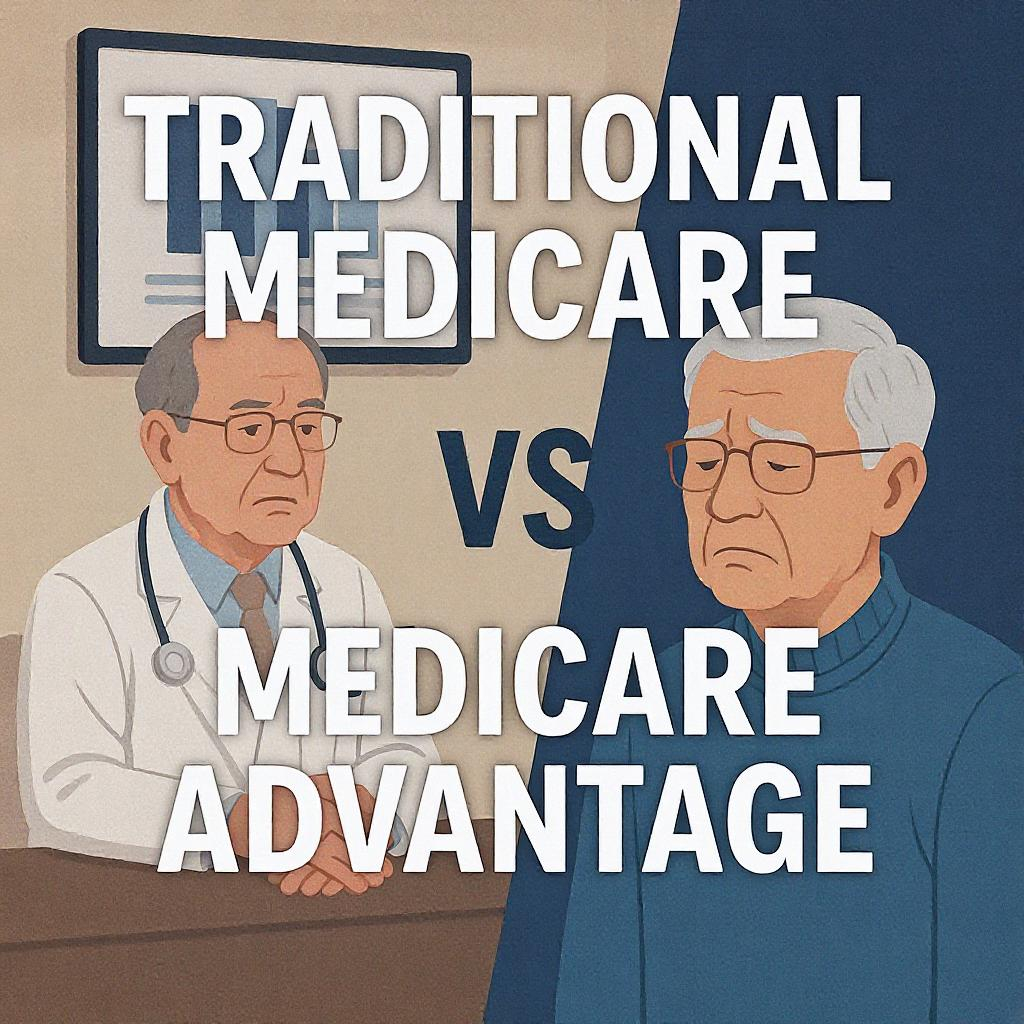
Traditional Medicare vs. Medicare Advantage: Making the Right Choice for You


Navigating the world of Medicare can feel like deciphering a complex puzzle. As you approach retirement, or if you’re already eligible, one of the most crucial decisions you’ll face is choosing between Traditional Medicare (also known as Original Medicare) and a Medicare Advantage Plan (Part C). Both offer pathways to healthcare coverage, but they operate distinctly, impacting everything from your doctor visits to your wallet.

Understanding these differences is key to making an informed choice that aligns with your health needs, financial situation, and lifestyle. This decision is also often intertwined with your Social Security claiming strategy, as the age you begin receiving Social Security benefits can impact your Medicare enrollment periods and potential premium costs. For instance, if you delay claiming Social Security past age 65, you’ll still need to proactively enroll in Medicare to avoid penalties. Conversely, if you’re already receiving Social Security benefits, you’ll typically be automatically enrolled in Medicare Part A and Part B. Let’s break down the primary considerations regarding Medicare.