
In an ever-shifting financial landscape, a new contender has emerged for the investor seeking true portfolio diversification: Bitcoin. Once considered a fringe asset, Bitcoin’s unique properties and increasing mainstream acceptance are prompting a re-evaluation of its role beyond mere speculation. But what are the real advantages and inherent risks of integrating this digital asset into your investment strategy? Let’s explore a balanced perspective, alongside the innovative avenues now available to gain exposure.
Gold Investing, Investment Strategy, Precious Metals Investing, Real Assets Investing, Selecting an Investment Advisor
Unearthing Value: Is Gold the Missing Piece in Your Investment Portfolio?

08
Feb
Feb
Gold. It’s a word that conjures images of ancient empires, pirate treasure, and enduring wealth. For centuries, this gleaming metal has held a unique allure, serving as a universal symbol of prosperity and a steadfast store of value. In today’s dynamic and often unpredictable financial landscape, many savvy investors are once again turning their gaze towards gold, seeing it as a potential bedrock for portfolio diversification and a robust shield against economic turbulence.
But is gold truly the Midas touch your portfolio needs? Let’s dig deeper into the shining pros, the weighty cons, and the various pathways you can take to integrate this precious metal into your personal investment strategy.
Endowments, Environmental, Social and Governance, ESG, Foundations, Jewish ESG investing, Nonprofits, Selecting an Endowment or Foundation Investment Advisor, Selecting an Investment Advisor
Jewish ESG Constraints for Endowments and Foundations: A Comprehensive Investment Guide
07
Feb
Feb
The integration of Jewish theological principles with environmental, social, and governance (ESG) investing presents both profound opportunities and unique challenges for Jewish nonprofit organizations, endowments, and foundations. Guided by ancient wisdom and modern interpretations of Jewish law and ethics, Socially Responsible Investing (SRI) in Jewish contexts aims to align financial decisions with core values such as repairing the world (Tikkun Olam), pursuing justice (Tzedakah), and protecting creation (Bal Tashchit). This comprehensive approach demands both financial prudence and deep moral integrity, creating a sophisticated framework that extends beyond simple exclusionary screening to actively embrace shareholder advocacy, community development, and impactful investing strategies that reflect Jewish communal priorities and global responsibilities.
Endowments, Environmental, Social and Governance, ESG, Fiduciary Advisor, Foundations, Methodist ESG Investing, Nonprofits, Selecting an Endowment or Foundation Investment Advisor, Selecting an Investment Advisor
Methodist ESG Constraints for Endowments and Foundations: A Comprehensive Investment Guide
02
Feb
Feb
The intersection of Methodist theological principles and environmental, social, and governance (ESG) investing presents both profound opportunities and nuanced challenges for Methodist endowments and foundations. Wespath (the United Methodist Church’s general agency that manages investments) and the United Methodist Church’s Social Principles provide a robust framework for socially responsible investment strategies, often referred to as Socially Responsible Investing (SRI). These guidelines underscore that effective stewardship demands both financial prudence and moral integrity, acknowledging that “socially beneficial activities and socially undesirable or even immoral activities are often inextricably linked in the products produced and the policies followed by individual corporations.” This necessitates careful navigation of complex investment landscapes. The framework skillfully balances the imperative to achieve reasonable financial returns with the sacred obligation to align investments with Methodist theological principles of doing good, avoiding harm, and seeking justice, creating a sophisticated approach that transcends simple exclusionary screening to actively embrace shareholder advocacy, community development, and impactful investing strategies.
Alternative Investments, Covered Call ETFs, Covered Call Funds, Covered Call Strategies, Investment Strategy, Selecting a Private Wealth Investment Advisor, Selecting an Investment Advisor
Unleash Your Portfolio’s Income Potential: A Deep Dive into Covered Call ETFs

01
Feb
Feb
In today’s dynamic market, investors are constantly seeking innovative ways to generate income and manage risk. Enter Covered Call ETFs – a powerful hybrid that’s been gaining significant traction. These funds offer an interesting middle ground, blending traditional equity exposure with options strategies to deliver enhanced income and a degree of risk mitigation. But what exactly are they, and are they the right fit for your financial goals? Let’s unpack the world of Covered Call ETFs.
Baptist ESG Investing, Endowments, Environmental, Social and Governance, ESG, Foundations, Nonprofits, Selecting an Endowment or Foundation Investment Advisor, Selecting an Investment Advisor
Baptist ESG Constraints for Endowments and Foundations: A Comprehensive Investment Guide
13
Jan
Jan
The integration of Baptist theological principles and congregational convictions with environmental, social, and governance (ESG) investing presents both profound opportunities and unique challenges for Baptist nonprofit organizations, endowments, and foundations. Guided by biblical interpretation, individual conscience, and denominational resolutions, Socially Responsible Investing (SRI) in Baptist contexts aims to align financial decisions with core values such as biblical stewardship, social justice, evangelism, and community impact. This comprehensive approach demands both financial prudence and deep moral integrity, creating a sophisticated framework that extends beyond simple exclusionary screening to actively embrace shareholder advocacy, community development, and impactful investing strategies that reflect Baptist communal priorities and global responsibilities.
Medicare Advantage, Selecting a Private Wealth Investment Advisor, Selecting an Investment Advisor, Social Security claiming strategy, Traditional Medicare, Traditional Medicare vs. Medicare Advantage
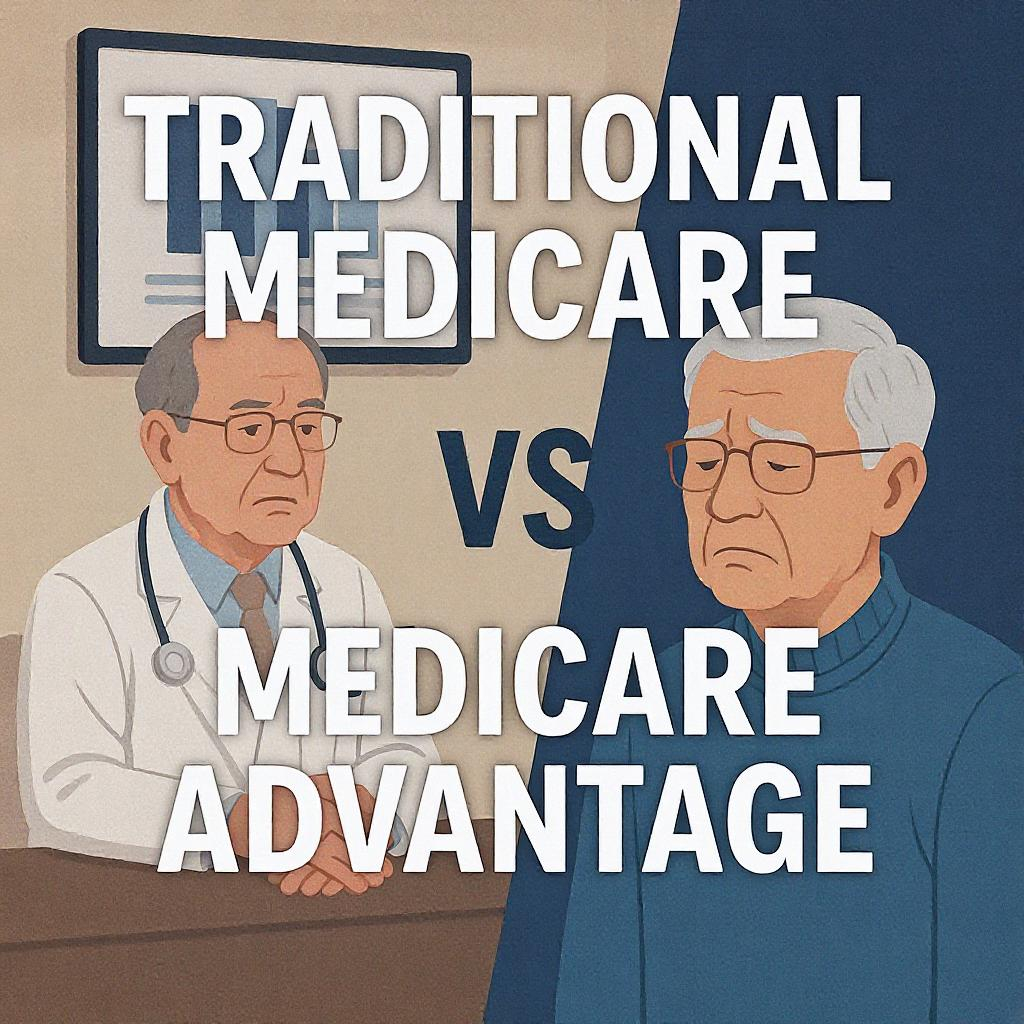
Traditional Medicare vs. Medicare Advantage: Making the Right Choice for You
03
Jan
Jan
Navigating the world of Medicare can feel like deciphering a complex puzzle. As you approach retirement, or if you’re already eligible, one of the most crucial decisions you’ll face is choosing between Traditional Medicare (also known as Original Medicare) and a Medicare Advantage Plan (Part C). Both offer pathways to healthcare coverage, but they operate distinctly, impacting everything from your doctor visits to your wallet.
Understanding these differences is key to making an informed choice that aligns with your health needs, financial situation, and lifestyle. This decision is also often intertwined with your Social Security claiming strategy, as the age you begin receiving Social Security benefits can impact your Medicare enrollment periods and potential premium costs. For instance, if you delay claiming Social Security past age 65, you’ll still need to proactively enroll in Medicare to avoid penalties. Conversely, if you’re already receiving Social Security benefits, you’ll typically be automatically enrolled in Medicare Part A and Part B. Let’s break down the primary considerations regarding Medicare.
Christian Science ESG Investing, Endowments, Environmental, Social and Governance, ESG, Foundations, Nonprofits, Selecting an Endowment or Foundation Investment Advisor, Selecting an Investment Advisor
Christian Scientist ESG Constraints for Endowments and Foundations: A Comprehensive Investment Guide
11
Nov
Nov
The integration of Christian Science theological principles and spiritual convictions with environmental, social, and governance (ESG) investing presents both profound opportunities and unique challenges for Christian Scientist nonprofit organizations, endowments, and foundations. Guided by the teachings of Mary Baker Eddy, especially in Science and Health with Key to the Scriptures, and the understanding of God as divine Principle, Socially Responsible Investing (SRI) in Christian Science contexts aims to align financial decisions with core values such as spiritual healing, integrity, universal brotherhood, and stewardship of creation. This comprehensive approach demands both financial prudence and deep moral integrity, creating a sophisticated framework that extends beyond simple exclusionary screening to actively embrace shareholder advocacy, community development, and impactful investing strategies that reflect Christian Scientist communal priorities and global responsibilities.
Alternative Investments, Hedge Fund Strategies, Hedge Funds, Investment Strategy, Selecting an Investment Advisor, Wealth Management
Should You Invest in Hedge Funds? A Balanced Look
09
Nov
Nov
Hedge funds have long been a topic of fascination and debate in the investment world. Often shrouded in a veil of exclusivity and complexity, they promise sophisticated strategies and unique return profiles. But are they truly a golden ticket to enhanced portfolio performance, or are they a costly detour that often disappoints?
Let’s cut through the jargon and explore the main reasons why investors consider hedge funds, as well as the significant drawbacks that often lead to caution.
401(k) Loans, 401(k) Plan Litigation, 401(k) Plans, Active Versus Passive Management, Defined Contribution Plans, Employee Retirement Income Security Act of 1974, Employer Match, ERISA, Fiduciary Advisor, Non-Fiduciary Advisor, Pensions, Roth vs. Traditional Contributions, Selecting a 401(k) Plan Investment Advisor, Selecting an Investment Advisor
Crafting Your 401(k) Investment Policy Statement: Your Roadmap to Retirement Success

18
Sep
Sep
Running a 401(k) plan comes with significant responsibility. As a fiduciary, you’re tasked with safeguarding your employees’ financial futures, a role that demands careful planning and unwavering diligence. While it might sound like another piece of corporate jargon, a well-crafted 401(k) Investment Policy Statement (IPS) isn’t just a document—it’s your strategic blueprint.
Think of the IPS as the compass guiding your plan’s investment journey. It helps you navigate fiduciary duties, maintain consistency, and, most importantly, demonstrate procedural prudence under ERISA (Employee Retirement Income Security Act). And while it’s not legally mandated, it’s widely considered a best practice and often a key request during regulatory audits.
Ready to build your plan’s financial fortress? Here’s your step-by-step guide to writing an effective IPS: